Algorithm-Driven Accumulators: Shaping Bets Across Premier League and National Hunt Arenas
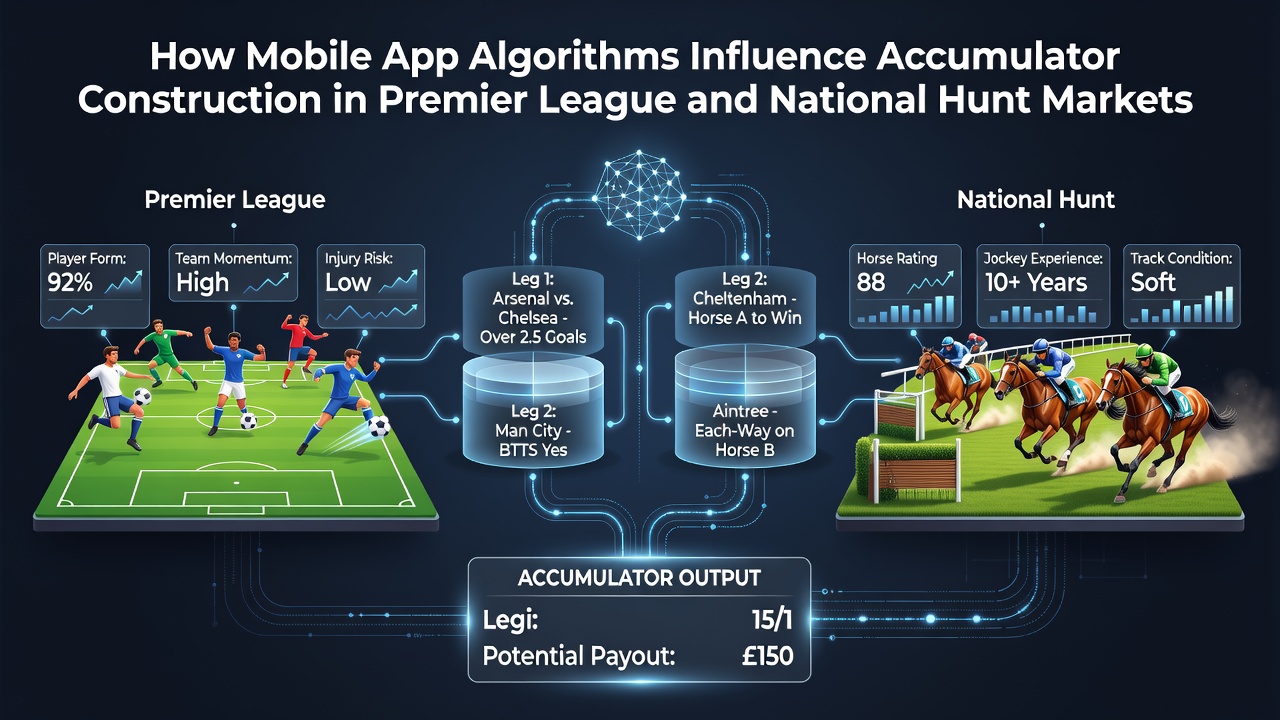
Algorithms embedded in mobile betting applications now guide accumulator construction by analyzing real-time odds, historical performance metrics, and user interaction patterns across Premier League football fixtures alongside National Hunt horse racing events. These systems process vast datasets to suggest multi-leg bets that combine selections from both markets, adjusting recommendations based on probability calculations updated throughout the day. Observers note that such tools emerged more prominently after 2023 as app developers integrated machine learning models trained on millions of prior wagers.
Data Inputs Driving Selection Logic
Premier League accumulators often draw from team form indicators, player availability records, and weather-adjusted expected goals models, while National Hunt equivalents incorporate course suitability, jockey statistics, and going descriptions that shift with rainfall patterns. Mobile apps combine these variables through weighted scoring systems that prioritize higher-confidence legs early in the construction process. Research from the Australian Gambling Research Centre indicates that users receive tailored prompts when their partial selections align with algorithmically identified value clusters, such as pairing a low-odds Premier League favorite with an each-way National Hunt outsider priced above industry averages.
Engineers refine these models using feedback loops that track which suggested combinations receive the highest completion rates. June 2026 updates rolled out by several major platforms introduced live data streams from pitch sensors and equine biometrics, allowing accumulators to recalibrate mid-session when injury reports or track conditions change. Those who've examined the code structures report that reinforcement learning techniques reward suggestions leading to higher user retention rather than outright win frequency.
Premier League Market Adaptations
Football markets exhibit tighter odds margins compared with racing, prompting algorithms to emphasize volume-based stacking where four or five short-priced selections create larger combined returns. Apps detect when users favor certain leagues or time slots, then surface accumulators that mix early kickoffs with evening fixtures to maintain engagement across an afternoon. Data from the Canadian Centre on Substance Use and Addiction highlights parallel patterns in North American sports betting apps, where similar clustering occurs around major league schedules, though European implementations add cross-sport layering with National Hunt races scheduled on the same day.
National Hunt Integration Points
Racing algorithms account for variable field sizes and non-runner adjustments that rarely affect football markets, automatically substituting alternatives when declared runners withdraw. National Hunt accumulators frequently incorporate handicap ratings and speed figures derived from sectional timing data collected at tracks like Cheltenham and Aintree. Mobile interfaces present these as expandable options within the same builder tool used for Premier League legs, encouraging users to extend football-based accumulators into evening racing cards. Industry reports compiled by the European Gaming and Betting Association show that such hybrid constructions rose steadily through early 2026, coinciding with improved API connections between football data providers and racing authorities.
User Behavior and Platform Responses
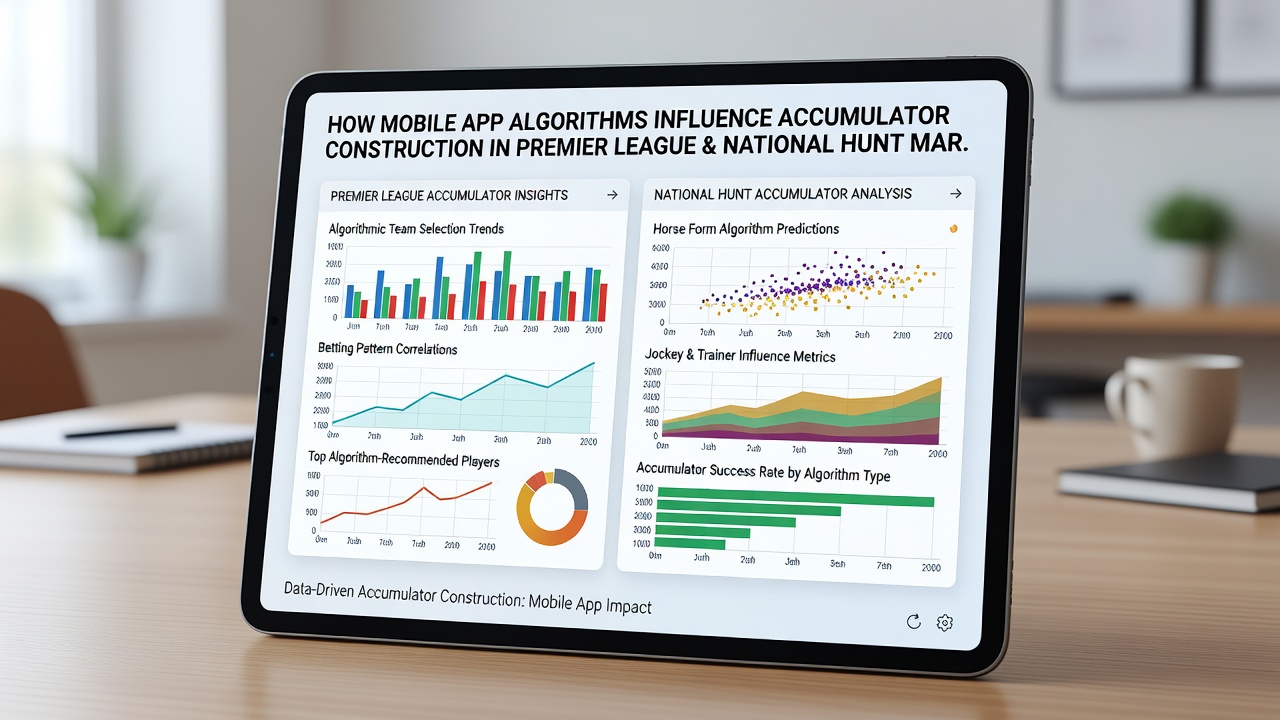
Behavioral tracking reveals that many users begin accumulator construction with high-profile Premier League matches before exploring National Hunt additions once the algorithm surfaces related promotions. Apps respond by displaying probability heatmaps that compare standalone odds against combined accumulator values, using color gradients to highlight potential payout multipliers. What's notable is the shift toward session-based personalization, where repeat visitors encounter fewer generic suggestions and more refinements drawn from their historical stake patterns and preferred stake ranges.
External regulatory scrutiny in regions outside the United Kingdom has prompted some platforms to include disclaimers about algorithmic influence within the bet builder itself. A 2025 study published by the University of Sydney's Gambling Treatment and Research Clinic examined similar systems in Australian wagering apps and found measurable increases in multi-leg bet frequency when suggestions appeared at the point of selection rather than after checkout. Those patterns mirror observations recorded in Premier League and National Hunt contexts during the same period.
Technical Constraints and Future Adjustments
Latency requirements limit the depth of calculations performed on-device, pushing heavier model inference to cloud servers that update suggestions every few seconds during live markets. Developers continue testing differential privacy techniques to mask individual user data while preserving aggregate trends that improve accumulator relevance. June 2026 hardware improvements in flagship smartphones have allowed limited on-device processing for basic odds comparisons, reducing reliance on constant connectivity during race meetings or matchdays.
Cross-market accumulators face additional compliance layers because Premier League and National Hunt events fall under separate licensing categories in several jurisdictions. Algorithms must therefore flag when a proposed combination crosses regulatory thresholds, prompting users to confirm separate betting accounts or accept adjusted maximum stakes. Observers note that these safeguards appear more frequently in apps serving multiple geographic regions simultaneously.
Conclusion
Mobile app algorithms continue to reshape accumulator construction by merging disparate data streams from Premier League football and National Hunt racing into unified recommendation engines. These systems rely on evolving datasets that include form indicators, timing metrics, and behavioral signals, all processed through models refined via ongoing user interactions. As platforms incorporate additional live inputs and refine privacy measures, the structure of suggested accumulators will likely shift further toward hybrid selections that span both markets within single betting sessions.