Algorithmic Frameworks Governing Wagering Thresholds in Unified Sports and Casino Platforms
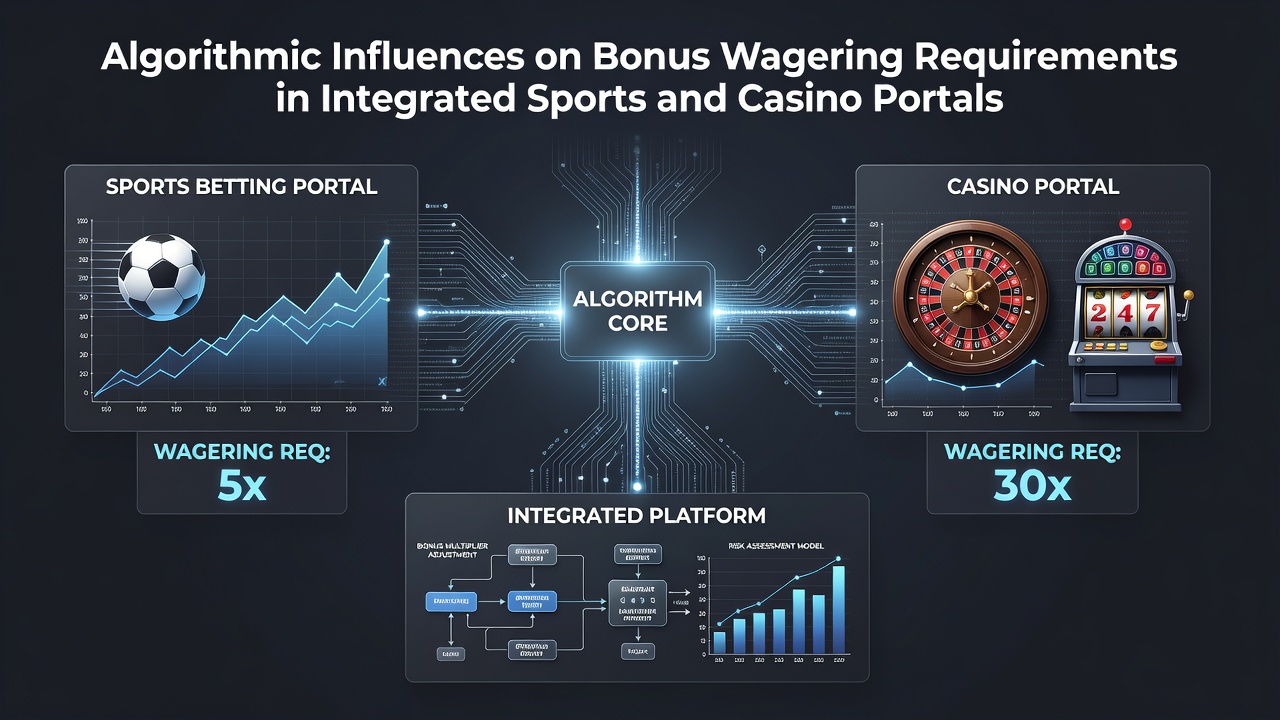
Integrated sports and casino portals rely on algorithmic systems to set and adjust bonus wagering requirements, with these mechanisms processing player data, game volatility metrics, and cross-product activity to determine playthrough conditions. Operators deploy machine learning models that evaluate factors such as deposit size, historical betting patterns, and session duration before finalizing multipliers for sports bonuses and casino promotions. In July 2026, several major platforms reported updates to their backend systems that incorporated real-time risk scoring, allowing wagering thresholds to shift based on live market movements in sports events and slot performance indicators.
Core Components of Algorithmic Wagering Calculations
Algorithms begin by categorizing bonuses into tiers according to contribution percentages from different verticals, where sports wagers often receive higher weighting than certain casino games because of lower house edges in selected markets. Data from regulatory filings shows that these models integrate variables including average odds selected, cash-out frequency, and slot return-to-player values to generate personalized playthrough targets. Researchers at institutions studying digital gaming economies have documented how decision trees and neural networks combine these inputs to reduce exposure on high-risk promotions while maintaining engagement across both sportsbooks and casino sections.
One approach involves dynamic adjustment engines that monitor aggregate player behavior across linked accounts, applying modifiers when users concentrate activity in high-volatility slots or low-margin accumulator bets. Such systems draw from historical datasets spanning multiple jurisdictions, enabling operators to align requirements with observed completion rates rather than static percentages. Figures released by the Nevada Gaming Control Board indicate that platforms using these methods recorded measurable shifts in bonus redemption patterns during early 2026 compared with earlier fixed-structure models.
Integration Effects Between Sports and Casino Segments
Hybrid portals combine data streams from live sports betting and casino gameplay to create unified wagering obligations, with algorithms weighting contributions according to product-specific risk profiles. A player who places in-play football wagers and simultaneously spins video slots may encounter requirements that blend both activities, calculated through correlation matrices that account for session overlap and stake distribution. This integration allows operators to balance promotional costs by directing traffic toward underutilized sections, such as greyhound racing or table games, when sports volumes spike.
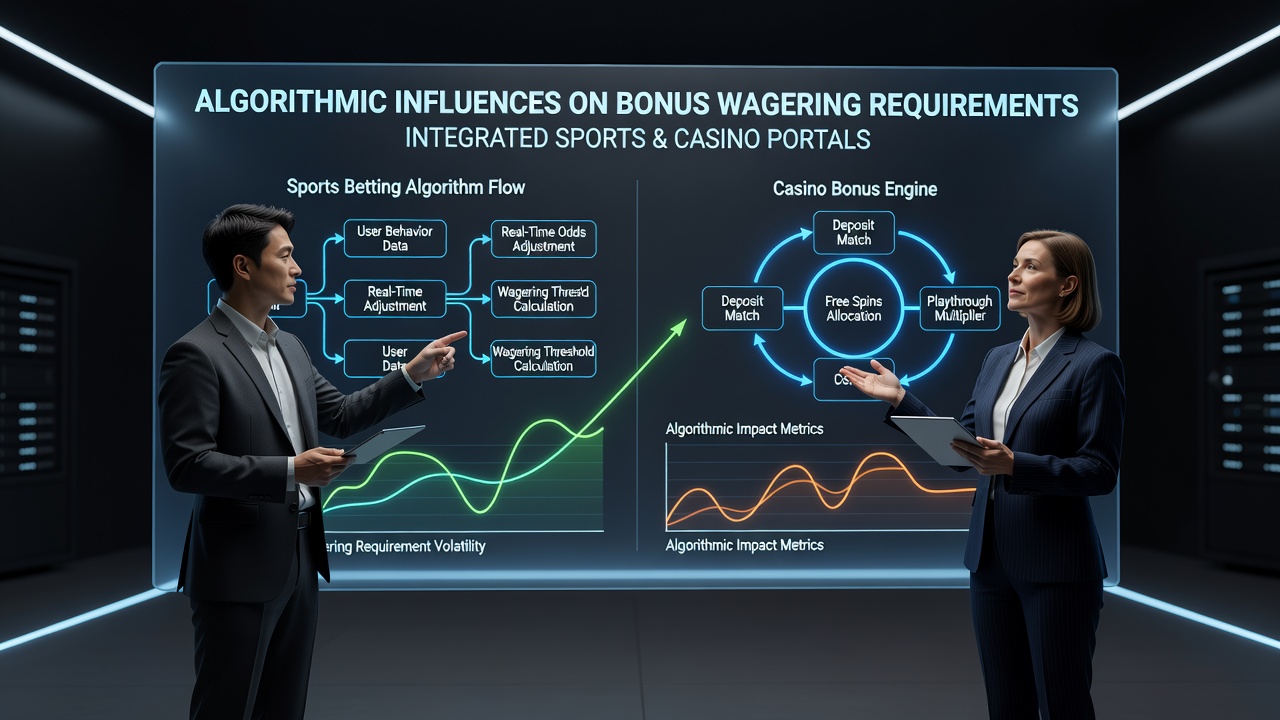
Studies from academic groups examining online gambling mechanics note that cross-vertical algorithms frequently apply decay functions, gradually increasing or decreasing remaining playthrough based on recent performance metrics. For instance, a large sports win might trigger an automatic reduction in casino-related wagering needs, while consecutive slot losses could extend the requirement to encourage continued play. These adjustments occur through automated scripts that reference predefined thresholds updated quarterly to reflect seasonal sports calendars and new game releases.
Regulatory and Technical Considerations in July 2026
By July 2026, oversight bodies in multiple regions had begun requiring transparency reports on how algorithmic systems derive wagering multipliers, prompting operators to document decision logic and audit trails. The Australian Communications and Media Authority has referenced similar data-gathering practices in its compliance guidelines, emphasizing the need for clear player communication when requirements change mid-promotion. Technical teams maintain these systems through continuous training on anonymized transaction logs, ensuring that models adapt to emerging patterns such as increased mobile in-play usage or seasonal casino tournaments.
Industry reports compiled by the European Gaming and Betting Association highlight that integrated platforms increasingly test reinforcement learning variants to optimize requirement settings, with the goal of improving completion rates without elevating problem gambling indicators. These tests compare control groups against algorithmically adjusted cohorts, measuring metrics like time-to-completion and bonus-related deposit frequency across different player segments.
Future Developments in Algorithmic Bonus Management
Developers continue refining feature sets that incorporate external data sources, such as weather impacts on sports outcomes or volatility indices for new casino titles, into wagering calculations. Observers note that this evolution supports more granular personalization while complying with regional rules on fair promotion practices. As platforms expand their integrated offerings, the underlying algorithms serve as the primary mechanism for maintaining equilibrium between player incentives and operator sustainability across sports and casino environments.
Conclusion
Algorithmic systems now form the central infrastructure for managing wagering requirements in combined sports and casino portals, processing diverse data inputs to generate conditions that respond to individual and aggregate behaviors. Documentation from regulatory and research entities confirms ongoing refinement of these tools through 2026, with emphasis on integration, transparency, and adaptability across product verticals.