Bet Builder Evolution: Custom Selections Revolutionizing Soccer and Racing Markets
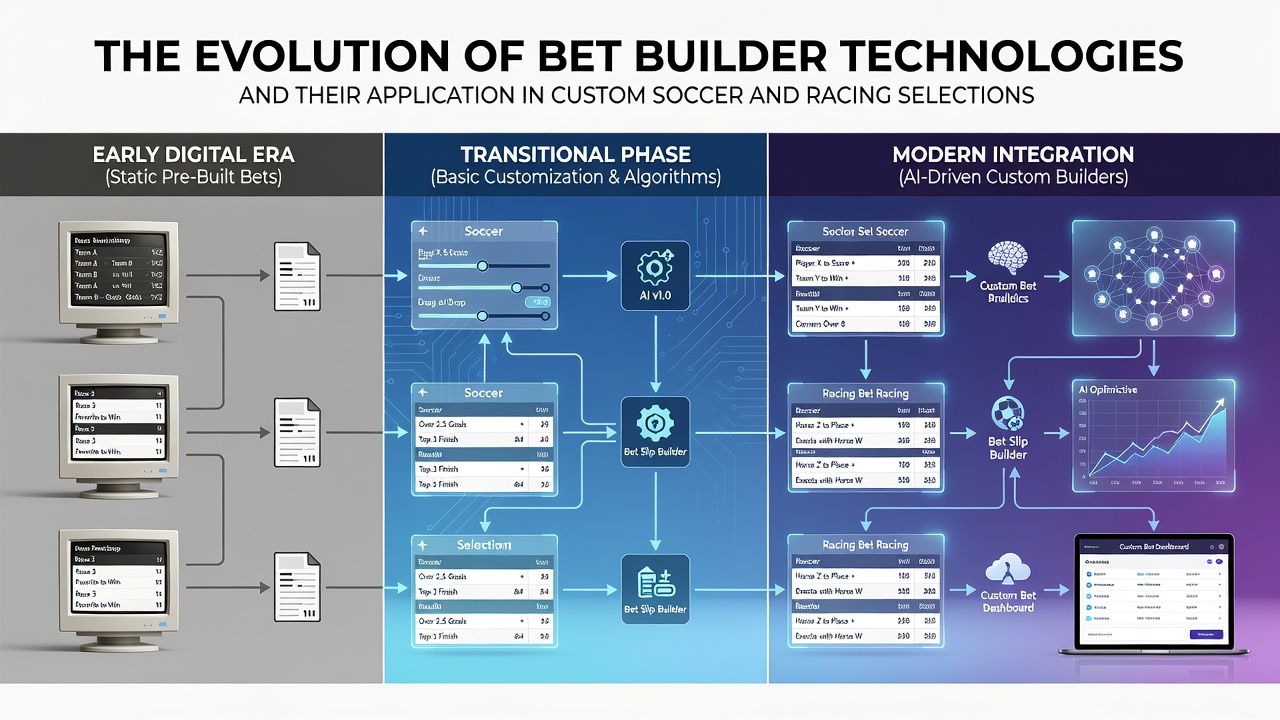
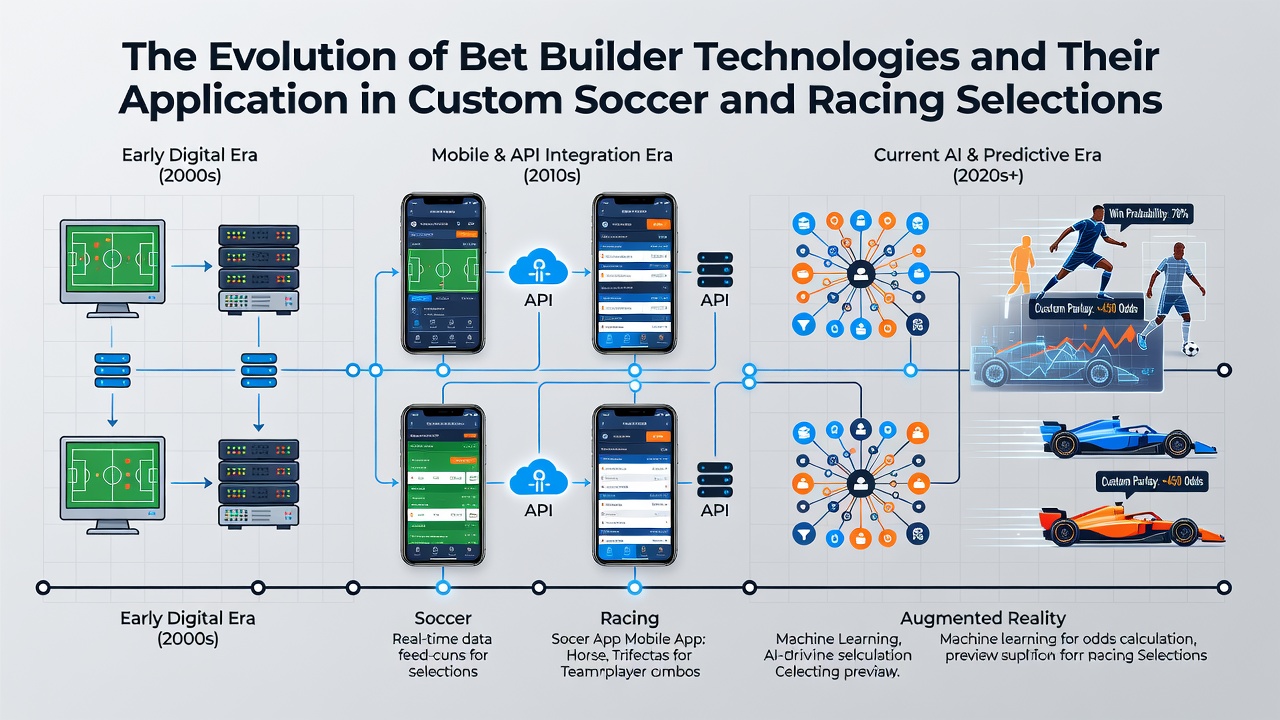
Bet builder technologies emerged from basic accumulator systems in the early 2000s, when operators began allowing users to combine multiple event outcomes into single wagers, and these tools quickly expanded as data feeds improved across European and North American markets. Developers integrated real-time statistics from soccer leagues and thoroughbred racing circuits, which enabled selections such as goal scorers paired with corner counts or horse finishing positions tied to margin victories. The shift accelerated after 2015 when application programming interfaces connected directly to live data providers, reducing delays that previously limited in-play custom bets.
Core Technological Foundations
Modern bet builders rely on layered data architectures that pull from official league sources, wearable sensors on athletes, and timing systems at racetracks, while machine learning models predict probability ranges for combined outcomes. These systems process thousands of variables per second during matches or races, allowing users to adjust parameters like player assists, over-under totals, or exacta combinations without leaving the interface. Research from academic institutions shows that such integrations increased wager customization rates by measurable margins between 2018 and 2024, particularly in high-volume soccer competitions and major racing festivals.
Cloud computing further supported scalability, letting platforms handle simultaneous custom requests from millions of accounts during peak events, and this infrastructure proved essential when operators expanded into new regions with varying regulatory requirements. Observers note that security protocols evolved alongside these advances, incorporating encryption standards that protect transaction details and user selections across mobile and desktop channels.
Applications in Soccer Markets
Soccer bet builders gained traction through features that combine match events in granular ways, such as linking a midfielder's pass accuracy to total team shots or pairing first-half goals with specific player bookings. Major platforms introduced sliders and filters that let users refine selections based on historical performance data, which proved useful during tournaments where form fluctuated rapidly. Data from industry reports indicates that soccer custom bets now account for significant portions of total handle in several markets, driven by the sport's frequent scoring opportunities and extensive statistical tracking.
Live integration allows adjustments after kickoff, where bettors modify parameters as possession statistics update or injuries occur, and this flexibility aligns with the pace of international leagues that broadcast globally. One study from European research groups highlighted how these tools reduced average bet construction time while maintaining compliance with responsible gaming limits set by various oversight bodies.
Applications in Racing Selections
Racing platforms adapted bet builders to handle multi-leg exotic wagers, combining win-place-show outcomes with condition-specific factors like track surface preferences or jockey performance metrics. Users can now construct tickets that link a horse's early speed rating to late-race closing speed, or bundle quinella pairs across consecutive races on the same card. Timing technology at venues supplies precise sectional data that feeds directly into these builders, enabling selections based on fractions of seconds that influence payouts.
International racing circuits adopted similar systems by 2022, with operators in Australia and Canada incorporating local track records into the interfaces, and this geographic expansion broadened access to custom daily doubles or trifectas during major meetings. Figures from regulatory summaries in those regions reveal steady growth in exotic bet volumes coinciding with the rollout of enhanced builder tools.
Recent Developments Through July 2026
By July 2026 several operators introduced AI-assisted recommendation engines within bet builders that suggest combinations based on user history while respecting jurisdictional rules, and these updates coincided with expanded coverage of women's soccer leagues alongside traditional thoroughbred calendars. Cross-platform compatibility improved through standardized data protocols, allowing seamless transitions between soccer and racing selections on single accounts. Industry associations documented these changes in periodic updates that tracked adoption rates across different continents.
Partnerships with data analytics firms supplied deeper historical archives, which refined probability calculations for niche selections like penalty shootout outcomes or steeplechase hurdles cleared. Those who've studied platform metrics note that retention rates rose where builders offered tutorial overlays explaining how combined odds form, though overall participation patterns remained consistent with prior years according to available statistics.
Conclusion
Bet builder technologies continue to mature through ongoing refinements in data integration and user interface design, supporting increasingly precise custom wagers in both soccer and racing environments. The progression from static accumulators to dynamic, real-time systems reflects broader advances in sports analytics and computing power, with applications now spanning multiple time zones and regulatory frameworks. As new data sources emerge, platforms maintain focus on delivering selections that align with event structures while adhering to established operational standards worldwide.