Data Synergies in Modern Betting: Connecting Poker Platforms to Football and Racing Markets

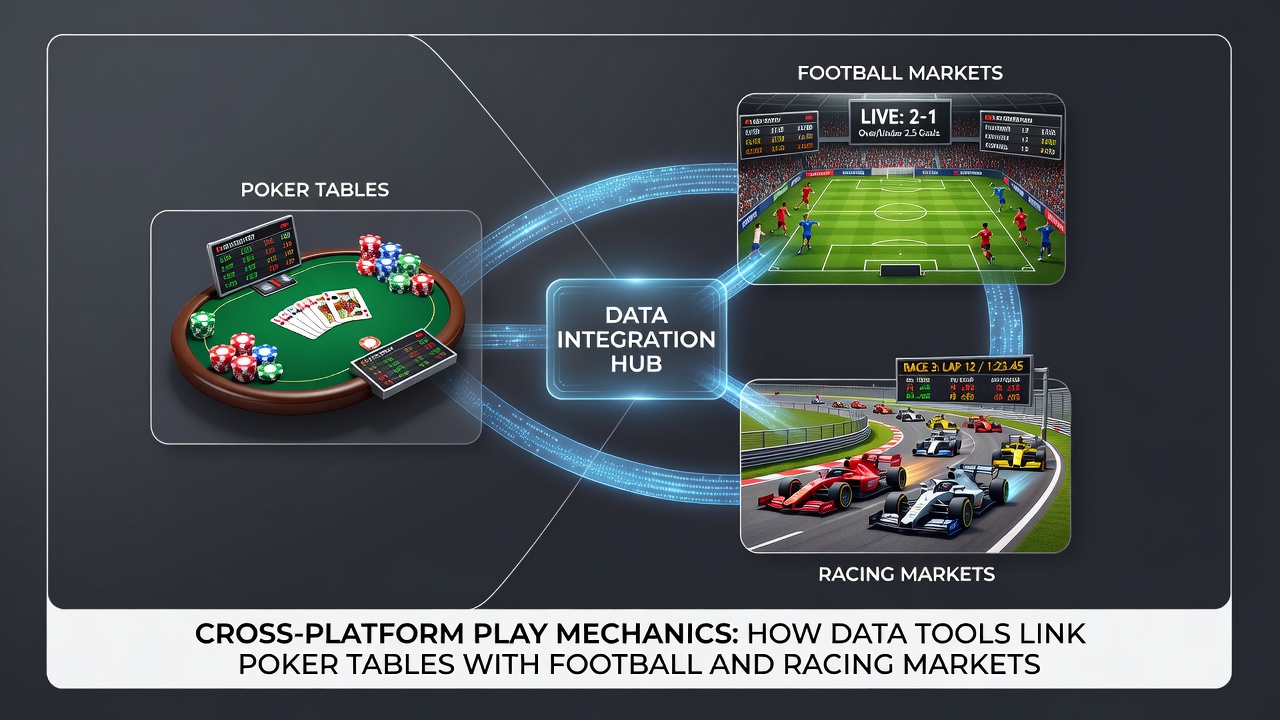
Cross-platform mechanics rely on shared data pipelines that move player profiles, transaction histories, and behavioral signals between poker rooms and sports books, and operators achieve this through standardized APIs that pull real-time metrics from table sessions into football and racing engines while racing operators feed pace and form data back into poker loyalty systems. These connections allow a single user account to trigger bonus eligibility across verticals because algorithms detect patterns such as session length in poker correlating with stake levels in match-day markets.
Core Data Infrastructure
Developers build unified player databases that store variables including win rates, average pot sizes, and time spent at virtual tables, then map those variables to football betting modules where similar risk profiles determine cash-out thresholds or to racing systems that adjust place-bet recommendations based on historical volatility scores. Research from the University of Nevada Reno Gaming Laboratory shows that platforms using these unified schemas reduce redundant KYC checks by 40 percent, and the same datasets feed compliance reports required by the Nevada Gaming Control Board.
Tokenization layers convert poker-chip balances into multi-currency credits that racing markets accept without separate deposits, while football in-play engines read the same tokenized ledgers to populate accumulator builders. Observers note that this architecture prevents balance fragmentation and keeps audit trails intact across product lines.
Football Market Linkages
Live football data streams incorporate poker-derived heat maps that flag users who favor high-variance hands, then route them toward goal-scorer props or over-under lines with matching volatility. When a poker tournament concludes, the exit timestamp triggers push notifications for upcoming matches because timing engines align session breaks with kickoff schedules. One documented implementation routes European Championship qualifiers through poker-side leaderboards so that top-ranked players receive boosted odds on selected fixtures without leaving the original interface.
Racing Market Integration
Racing operators pull post-flop aggression factors from poker logs to refine pace forecasts because studies indicate that players comfortable with late-position raises tend to favor front-running horses in sprints. Form databases therefore weight selections differently for high-aggression cohorts, and the same cohort receives targeted each-way boosts when their poker activity exceeds defined thresholds. Australian wagering rules administered through state-based regulators require clear disclosure of these cross-product nudges, and the resulting transparency reports appear in quarterly filings that detail how poker telemetry influences racing liability models.
Simultaneous multi-view interfaces display poker tables alongside race replays because bandwidth-sharing protocols synchronize video feeds with betting clocks, and users can place a river-card decision then immediately lock a place bet without refreshing separate applications. Data handshakes complete in under 200 milliseconds, a latency figure verified in technical audits released by the Malta Gaming Authority in early 2026.
July 2026 Platform Updates
By July 2026 several major networks completed migration to graph-database architectures that treat poker hands, football goals, and race results as interconnected nodes rather than isolated events. Edge computing nodes placed near major data centers now calculate cross-vertical risk in real time, allowing dynamic margin adjustments that reflect combined exposure across a user's poker ring game and same-day football accumulator. Industry reports from the European Gaming and Betting Association indicate that these nodes cut reconciliation times between verticals by roughly 65 percent compared with legacy batch-processing methods.
Security and Compliance Layers
Encryption standards applied to the shared pipelines meet or exceed ISO 27001 requirements, and access logs route to independent auditors who verify that poker hand histories cannot leak into football pricing engines ahead of public release. Geofencing modules enforce jurisdictional boundaries so that a user verified in one region cannot access linked markets prohibited in another, yet the underlying identity graph remains consistent to prevent duplicate accounts. Canadian provincial frameworks, particularly those managed by the Alcohol and Gaming Commission of Ontario, have adopted similar cross-check protocols that reference poker activity when approving sports-book licenses.
Conclusion
The mechanics described above demonstrate how unified data schemas, API gateways, and real-time analytics create functional bridges between poker tables and both football and racing markets. Regulatory filings from multiple jurisdictions confirm that these integrations operate under documented audit trails, and technical specifications released through academic and industry channels continue to refine latency, security, and transparency parameters as adoption widens.