Device Interface Gaps Affecting Promotional Credits in Wagering Software Platforms

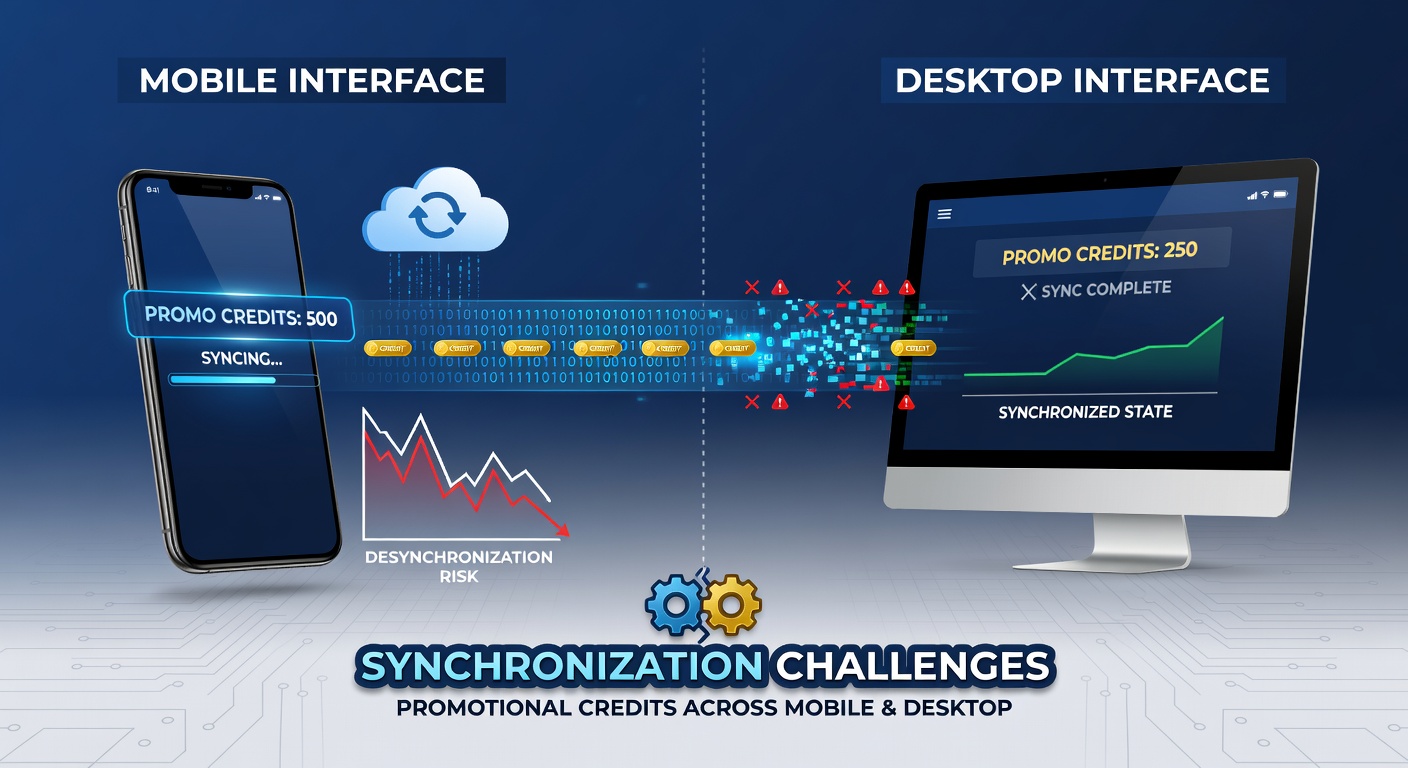
Promotional credits in wagering applications represent allocated bonuses, free bets, and loyalty rewards that users access through their accounts, yet these balances frequently fail to align between mobile and desktop versions due to differences in data handling protocols. Developers build separate codebases or responsive frameworks for each platform, which creates opportunities for timing mismatches during real-time updates. Research from the University of Nevada, Reno indicates that API call intervals often vary by device type, leading to delayed credit postings on one interface while the other reflects changes immediately.
Account authentication layers add another layer of complexity because mobile apps rely on token-based sessions that expire differently than browser cookies used on desktops. When a user redeems a promotional offer on a phone, the desktop view may still display the pre-redemption amount until a manual refresh or background sync occurs. Observers note that this stems from asynchronous database replication methods employed by many operators, where mobile push notifications trigger faster than desktop polling mechanisms.
Core Technical Factors Behind Sync Failures
Network conditions play a significant role since mobile devices encounter variable signal strength and data throttling that desktop connections on stable broadband rarely face. A 2023 industry report from the Interactive Gaming Council highlighted how packet loss during credit transfer events can leave mobile balances in a pending state while desktop systems complete the transaction. Developers address this through queued update systems, but these queues sometimes process out of sequence across platforms.
Operating system constraints further complicate matters because iOS and Android enforce stricter background process limits compared to desktop operating systems. This restriction means mobile apps may pause sync operations when minimized, whereas desktop browsers continue running scripts in the background. Those who have examined app telemetry logs report that promotional credit fields often require explicit user-initiated refreshes on phones to catch up with server-side changes already visible on computers.
Impact on User Account Management
Users who switch between devices during a single session encounter the most noticeable discrepancies, particularly when claiming time-sensitive offers. Data compiled by the Malta Gaming Authority shows elevated support ticket volumes related to credit visibility issues in multi-device households. These cases typically involve promotional balances that appear applied on one platform yet remain unavailable on another until backend reconciliation completes, which can take anywhere from seconds to several minutes depending on server load.
Security protocols designed to prevent fraud introduce additional delays because each device type triggers separate verification checks before updating shared ledgers. While these checks protect account integrity, they create temporary desync windows where credits seem inconsistent. Experts at the Canadian Gaming Association have documented patterns where cross-platform logins amplify these verification steps, extending the time required for promotional adjustments to propagate fully.
Upcoming Platform Adjustments in 2026
Industry observers expect several major operators to roll out unified synchronization frameworks beginning in May 2026, aiming to standardize credit propagation across all interfaces through improved WebSocket implementations. These updates follow testing phases that revealed persistent gaps in older hybrid app architectures. Early adopters among European platforms report reduced mismatch incidents after migrating to centralized event-driven architectures that broadcast changes simultaneously rather than relying on device-specific polling.
Regulatory bodies in multiple jurisdictions continue monitoring these technical evolutions because accurate credit display affects responsible gambling tools and transaction transparency requirements. The Nevada Gaming Control Board has issued guidance encouraging operators to implement real-time reconciliation audits that flag discrepancies exceeding defined thresholds within seconds of occurrence.
Resolution Approaches Currently in Use
Many platforms now employ middleware layers that normalize credit data before pushing updates to either mobile or desktop clients. This approach reduces platform-specific formatting errors that previously caused display differences even when underlying balances matched. Testing conducted by academic researchers at the University of Sydney found that middleware solutions cut average sync latency by approximately 40 percent across tested applications.
Automated retry mechanisms also help recover from interrupted transfers, yet they occasionally create duplicate entries that require manual intervention from support teams. Those monitoring system logs observe that duplicate detection algorithms have grown more sophisticated, using transaction identifiers tied to both user accounts and device fingerprints to prevent over-crediting while maintaining consistency.
Conclusion
Synchronization challenges for promotional credits persist because mobile and desktop interfaces operate under distinct technical constraints despite sharing common backend databases. Continued development of unified frameworks scheduled for broader deployment in 2026 may narrow these gaps, while existing middleware and verification improvements already provide measurable progress. Data from regulatory and academic sources demonstrates that addressing network variability, session management, and update protocols remains essential for maintaining accurate credit visibility across all wagering platforms.