Reward Structures Fueling Multi-Site Activity in Poker and Thoroughbred Racing
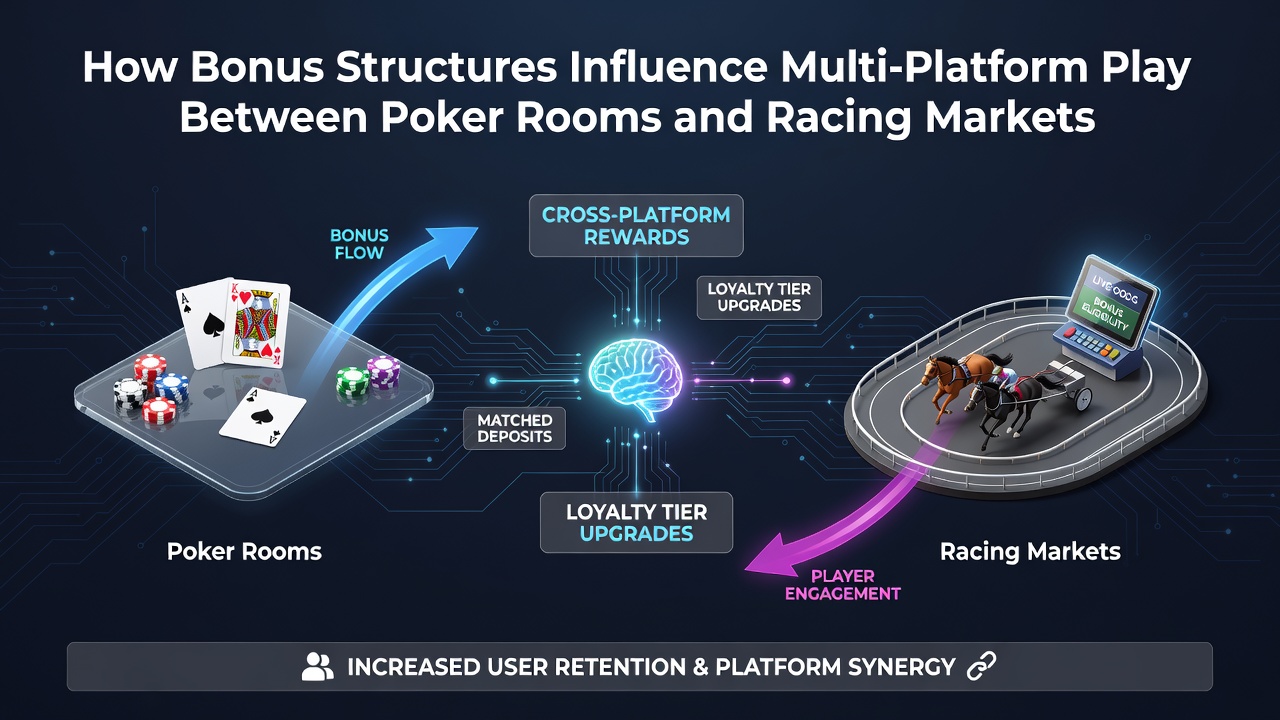
Bonus mechanisms in poker rooms and racing markets operate through deposit matches, loyalty tiers, and cashback programs that reward consistent activity across different sites, and data from regulatory filings show these incentives correlate with higher rates of multi-platform usage among participants. Operators design these structures to retain users while encouraging exploration of additional venues, which creates measurable patterns in how individuals allocate time and funds between card games and pari-mutuel betting.
Poker Room Bonus Models and Their Mechanics
Many poker platforms structure welcome bonuses as percentage-based matches on initial deposits combined with rakeback percentages that return a portion of fees collected during play, and these terms often include playthrough requirements that extend across several sessions. Rakeback programs frequently escalate through loyalty levels where higher volumes unlock improved percentages, prompting some participants to maintain accounts on multiple rooms to maximize returns on different game types and stakes.
Reload bonuses and targeted promotions tied to specific tournaments further influence behavior because they appear on staggered schedules across competing sites, so players who monitor several platforms can time their deposits to capture overlapping offers. Industry reports indicate that such staggered incentives lead to documented increases in account activity spread over more than one operator during peak promotional periods.
Racing Market Incentives and Cross-Format Linkages
Racing betting platforms employ sign-up bonuses, enhanced place terms, and accumulator boosts that apply to horse, harness, and greyhound events, while cashback schemes on losing bets provide partial recovery that resets on a weekly or monthly cycle. These rewards frequently require minimum bet volumes or specific event selections, which encourages users to maintain parallel accounts when one site offers superior terms on particular race meetings.

Operators in both sectors sometimes link poker and racing products through shared wallets or unified loyalty currencies, and this integration allows accumulated points from one activity to convert toward rewards in the other. Observers note that such unified systems appear more frequently on platforms that host both poker rooms and racing markets under a single license, yet many participants still maintain separate accounts elsewhere to capture competing promotions that remain unavailable inside unified ecosystems.
Patterns of Multi-Platform Engagement
Research conducted by academic teams at institutions including the University of Nevada Las Vegas has tracked how bonus expiration dates and tier reset periods drive users to rotate activity between sites, and findings show elevated login frequency on secondary platforms during the final days of promotional windows. Similar patterns emerge in racing markets where weekend race cards trigger bonus resets on different operators, prompting bettors to shift wagers accordingly.
According to filings from the Nevada Gaming Control Board, accounts registered across multiple poker and racing operators demonstrate higher average session counts per month compared with single-site users, though total wagering volumes remain distributed rather than concentrated. This distribution aligns with the structure of bonuses that cap rewards per account, which in turn reduces the incentive to consolidate all activity in one location.
Regulatory and Market Data Influences
Reports from the Australian Competition and Consumer Commission highlight how bonus transparency requirements affect player decisions, since clearer terms on wagering obligations allow more precise comparisons across sites and facilitate switching when better offers appear. Canadian provincial regulators have published comparable data showing that provinces with multiple licensed operators experience greater account proliferation when bonus structures differ significantly in their cashback rates and loyalty multipliers.
Figures released in August 2026 by several international racing authorities indicate steady growth in cross-platform participation metrics, particularly during major racing festivals when promotional density increases across both poker and racing verticals. These periods coincide with documented rises in users holding active accounts on at least three distinct operators.
Conclusion
Bonus structures across poker rooms and racing markets create measurable incentives for participants to maintain presence on multiple platforms through staggered promotions, tiered rewards, and cross-format linkages. Data from regulatory bodies and academic studies confirm that these designs correlate with distributed activity patterns rather than single-site concentration, and the mechanisms continue to evolve in response to licensing conditions and market competition.