Tiered Loyalty Programs: Connecting Football Season Wagers to Year-Round Racing Circuits in Integrated Betting Ecosystems

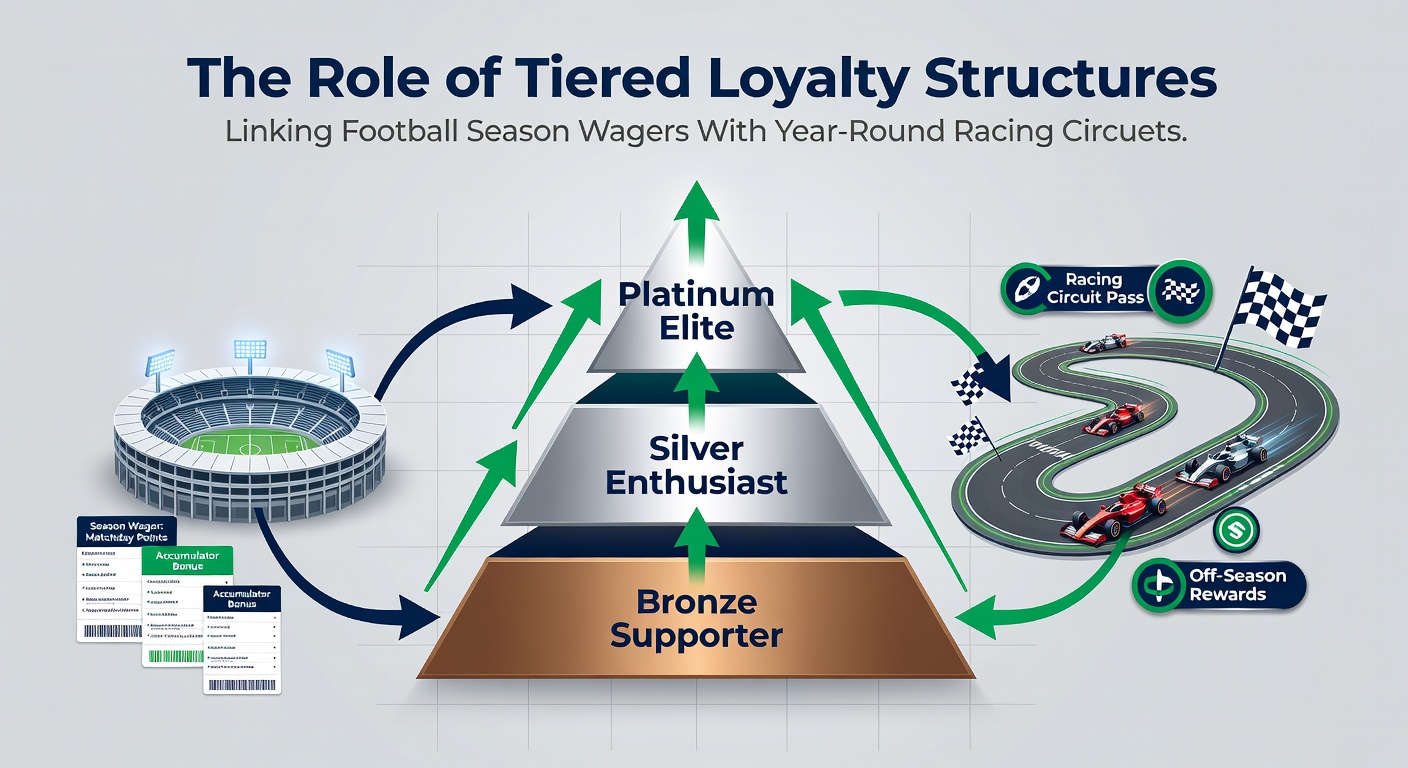
Platforms that host both football season wagers and continuous racing events rely on tiered loyalty structures to maintain user engagement across different calendars, and these systems assign points based on betting volume while unlocking benefits that transfer between sports. Operators calculate rewards through standardized systems where deposits, stakes, and outcomes contribute to a cumulative score that determines status levels such as bronze, silver, gold, or platinum, each carrying distinct advantages like enhanced cashback percentages or priority access to promotions.
Mechanics of Point Accumulation Across Sports
Football campaigns run from August through May, generating steady wagers on leagues and cups, whereas racing circuits operate throughout the calendar year with major festivals in spring, summer, and autumn, so loyalty programs merge these timelines by awarding points uniformly regardless of the event type. A user placing accumulators on Premier League matches earns the same base rate as someone backing horses at tracks like Cheltenham or Ascot, and the accumulated points determine tier progression that then applies to whichever sport the user selects next. This approach ensures that activity during the football off-season does not reset progress, allowing participants to carry status into flat racing periods and vice versa.
Benefits Unlocked at Each Tier Level
Entry-level participants receive basic multipliers on winnings, yet higher tiers introduce specialized perks such as reduced margins on racing each-way bets or boosted odds for football props during key fixtures. Data from industry reports indicates that users who reach gold status often see retention rates increase by measurable margins compared with those who remain at lower levels, and platforms track these patterns through internal analytics that link cross-sport activity to overall account longevity. Observers note that the structure encourages diversification, since points earned from one category directly support engagement in the other without requiring separate accounts or resets at the start of a new season.
Integration With Multi-Game Platforms
Multi-game sites consolidate football and racing under single interfaces where loyalty dashboards display unified progress bars and upcoming qualifying events, and this design reduces friction for users who switch between daily racing cards and weekend league schedules. According to analyses published by the American Gaming Association, integrated reward systems contribute to higher average session times because participants can preview tier upgrades that apply simultaneously to both verticals. Platforms schedule targeted offers around transitions such as the end of the domestic football season in May, aligning them with the start of major summer racing circuits so that status benefits carry forward without interruption.
What's interesting here is how these programs handle variable stake sizes, since a large football parlay and a series of smaller racing singles both feed the same point pool, creating pathways for casual and high-volume users alike. Researchers at institutions like the University of Nevada's gaming studies group have examined similar structures in other markets and found that tier visibility correlates with increased cross-category exploration, as participants experiment with new bet types to accelerate their advancement.
Seasonal Adjustments and Platform Updates
Operators adjust tier thresholds periodically to reflect betting patterns, and announcements around May 2026 indicate several platforms will recalibrate point requirements ahead of new racing schedules and the close of European football campaigns. These tweaks aim to balance accessibility for newer accounts with incentives for established users who maintain activity across both sports throughout the year. Evidence from platform disclosures shows that such recalibrations often coincide with expanded racing calendars in regions like Australia and North America, where year-round meets complement the European football timeline.
User Pathways and Retention Patterns
Participants advance through tiers by meeting cumulative criteria that include total stake volume, frequency of logins, and participation in featured events, and once achieved, status typically lasts for a defined period such as a calendar year or rolling twelve months. This duration allows someone who focuses on football during winter months to retain elevated benefits when shifting attention to summer racing festivals without starting over. Studies of similar loyalty frameworks reveal that users who engage with multiple sports under one tier system demonstrate longer account lifespans than those confined to single categories, and operators use this information to refine communication strategies that highlight transferable rewards.
Conclusion
Tiered loyalty structures function as connective tissue between football season wagers and year-round racing circuits by converting activity from either sport into shared status benefits on multi-game platforms. The design supports continuous participation, accommodates seasonal shifts, and aligns with upcoming schedule changes around May 2026, while data from regulatory and academic sources confirms measurable impacts on retention and cross-sport engagement. These systems continue to evolve as operators refine point allocation and reward delivery to match the distinct rhythms of each betting vertical.